Lake associations and watershed groups
Turn your protection plan into an operable regional network.
Lexoh helps structure sites, journeys and responsibilities while leaving regulation and decisions with the appropriate authorities.
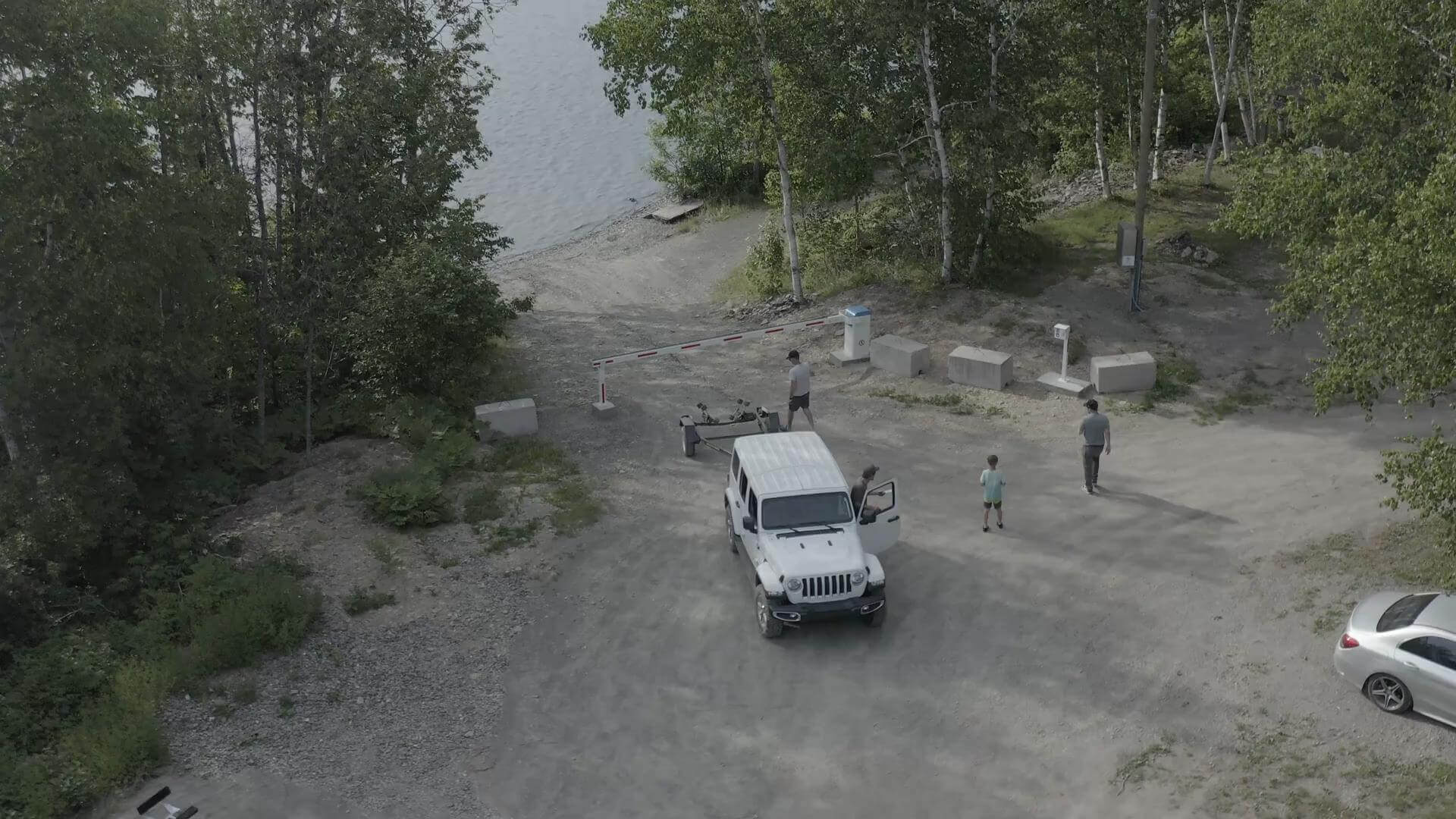
Organization context
An environmental need does not automatically confer authority
An association can mobilize, document and propose. Access, fees, data collection and enforcement may belong to a municipality, owner or other operator. The project needs to name those responsibilities clearly.
- MandateAccess inventory
- Document locations, owners, uses and equipment before proposing a system.
- Field realityAligned partners
- Clarify the roles of municipalities, operators, associations and watershed groups.
- OperationsOperable project
- Include maintenance, assistance, data and decisions, not only initial purchase.
Assessment
Build a shared picture before comparing equipment.
For each access point, document ownership, traffic, utilities, uses, equipment and current practices. Partners can then separate shared needs from constraints unique to one site.
- Official access points and known uses
- Authority and owner
- Available infrastructure
- Potential staff and partners
Governance
Write down who decides, operates and responds to the public.
Initial funding does not solve maintenance or support. The project structure identifies rights administration, incident response, data access and the method for changing policy.
Implementation
Prepare documents that support a decision.
A credible scope describes the problem, intended journey, prerequisites, costs to confirm, division of work and operation after opening. It can then support budgeting or a funding request without promising a particular program.