Call centre and delegated operations
Let the Lexoh centre run day-to-day operations.
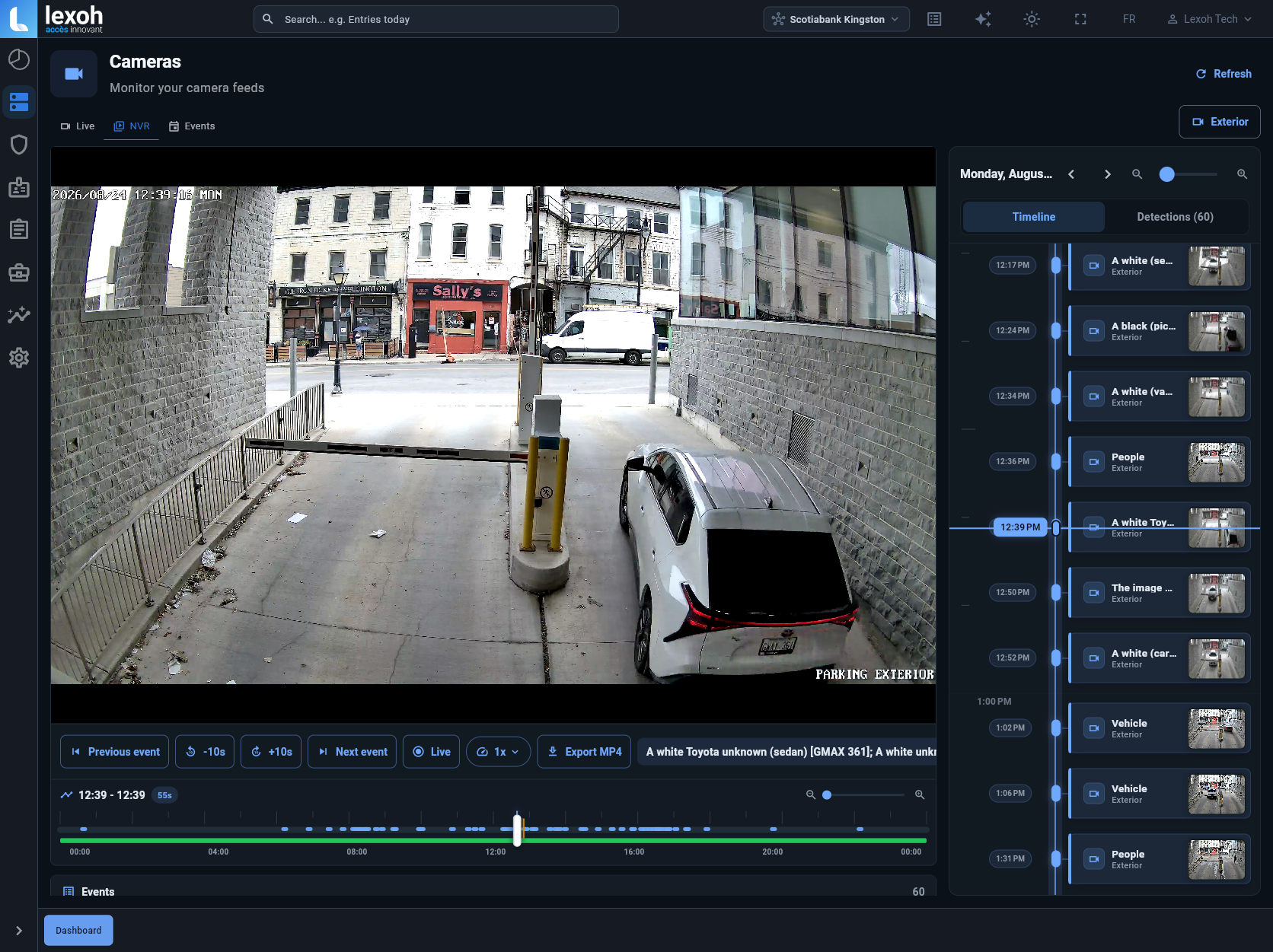
During agreed service windows, Lexoh can assist boaters, monitor device signals, review alerts and coordinate defined follow-up. Routine operations can therefore be covered without creating a dedicated local position.
Operating context
An operations service, not merely access to software
The agreement defines service windows, covered sites, support languages, permitted actions and people to contact. Call-centre staff work from those instructions and record interventions in the designated tools.
This service can replace a local position dedicated to routine operations. It does not remove the need for a decision-maker with appropriate authority, someone able to respond on site when required, or emergency services.
- 01Boater assistance
Guide users when registration, washing, payment or an access request does not follow the normal path.
- 02Device monitoring
Review states and events reported by connected kiosks, wash stations, controllers, gates and cameras.
- 03Human-reviewed alerts
Examine available context before taking action or referring an event to a responder.
- 04Documented escalation
Use the agreed contacts, authority and procedure for each type of situation.
Starting point Assistance
Help the user complete the authorized journey.
The agent reviews information available to their role, explains the required step and determines whether an approved procedure permits the record to be corrected or continued. Otherwise, the request is referred to the assigned contact instead of creating an improvised exception.
- Registration and identification questions
- Help during washing or payment
- Explanation of an access denial
- Request creation and follow-up
Journey Monitoring
Turn field signals into events that receive attention.
The team monitors available status and alerts during agreed service windows. A communications loss, stationary vehicle, possible fall, possible collision, obstruction, impact, or abnormal gate movement may create an alert depending on site configuration.
An AI-assisted alert is neither proof nor a diagnosis. A person reviews available images and events, accounts for possible false positives and follows the agreed procedure.
Rules Remote actions
Act only within authority granted by the customer.
The call centre can perform actions expressly authorized in the agreement: guide a user, restart a step, document an approved correction, command a permitted remote function or notify a responder. Sensitive actions, including an exceptional opening, are restricted by defined rights, conditions and records.
Follow-up Escalation
Refer the right event to the right responder.
The protocol identifies who to contact for unavailable equipment, a stopped vehicle, damage, a safety concern or an urgent situation. The call centre can share available context and coordinate follow-up, but it does not replace an on-site technician, physical maintenance or emergency services.
Reporting Reporting
Report the work that was actually performed.
Reports can summarize received requests, reviewed alerts, remote actions, referrals and unresolved events for the agreed period. Content, recipients and retention are defined according to customer needs and permissions.
FAQ
Questions about the journey
01Is the service available 24 hours a day?
Continuous availability is not assumed. Service windows, holidays, after-hours procedures and response targets are stated in the selected agreement.
02Is a local employee still required?
A dedicated local position is not required for routine work when those operations are delegated. The contract must still name the responsible authority, emergency contacts and the person or contractor able to respond physically.
03Can the call centre open a gate remotely?
Only when the function is technically available, expressly authorized and governed by a procedure. The agent checks the required conditions and records the action; uncertain cases are referred.
04Does managed operation include equipment maintenance?
Not automatically. Remote diagnosis, site visits, parts, repairs and preventive maintenance are separate responsibilities that must be stated in service scope.