Introduction
A prevention chain
Risk depends on species, equipment, route and practice. Applicable recommendations should come from the relevant environmental authorities. A Lexoh system can support the operator’s selected journey but does not replace that expertise.
Vectors
Consider the boat and everything travelling with it.
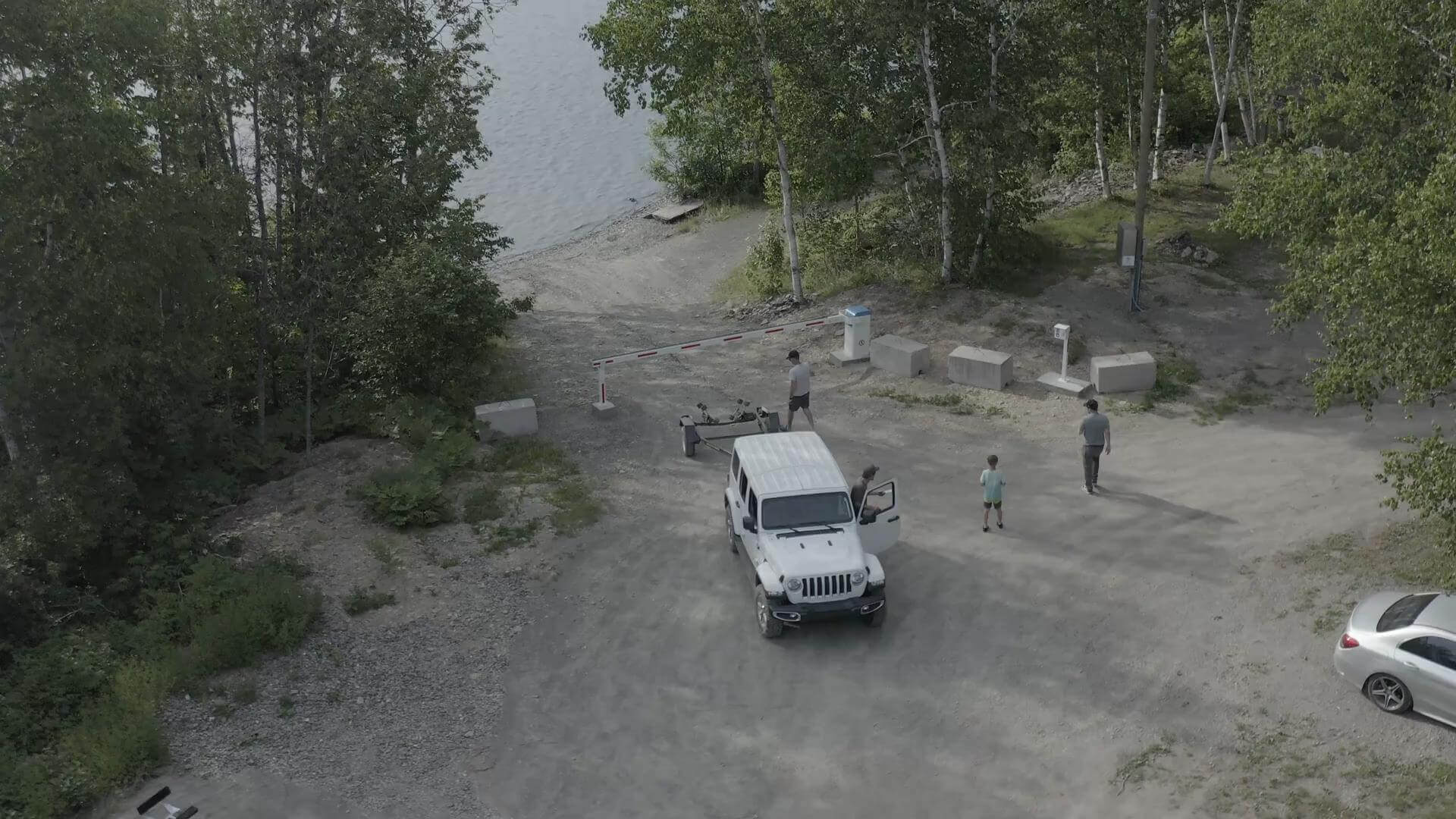
Hull, trailer, bilge, motor, ropes, anchors and other equipment can retain water or material. Instructions should reflect uses at the site and remain visible when action is possible.
Journey
Fit the steps to actual traffic.
Information, any planned inspection, washing and launch need to be arranged without impossible detours or unsafe trailer conflicts. Boater and staff responsibilities are communicated separately.
Measurement
Separate service use from ecological effect.
A system can count wash or access events. Concluding that transfer declined or ecology changed requires a study designed for that question; activity data alone is not enough.