For municipalities
Protect public access without building a new local team.
Lexoh can bring plans, infrastructure, electrical work, equipment, software and daily operations into one scope. The municipality receives a coordinated project without building a new local team for every access point.
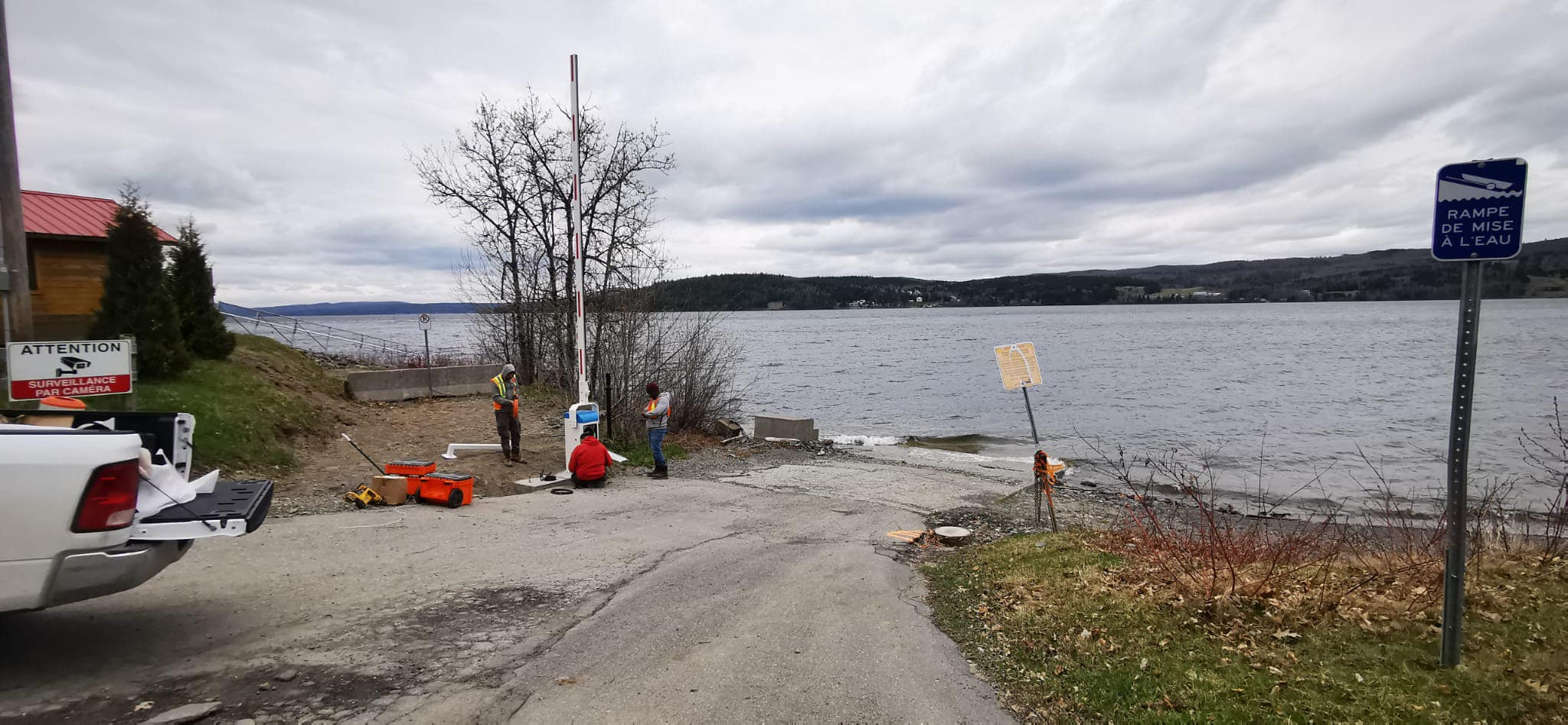
The problem to solve
The risk travels from lake to lake.
Invasive species can travel with watercraft, trailers and the water they hold. Their introduction threatens aquatic ecosystems.
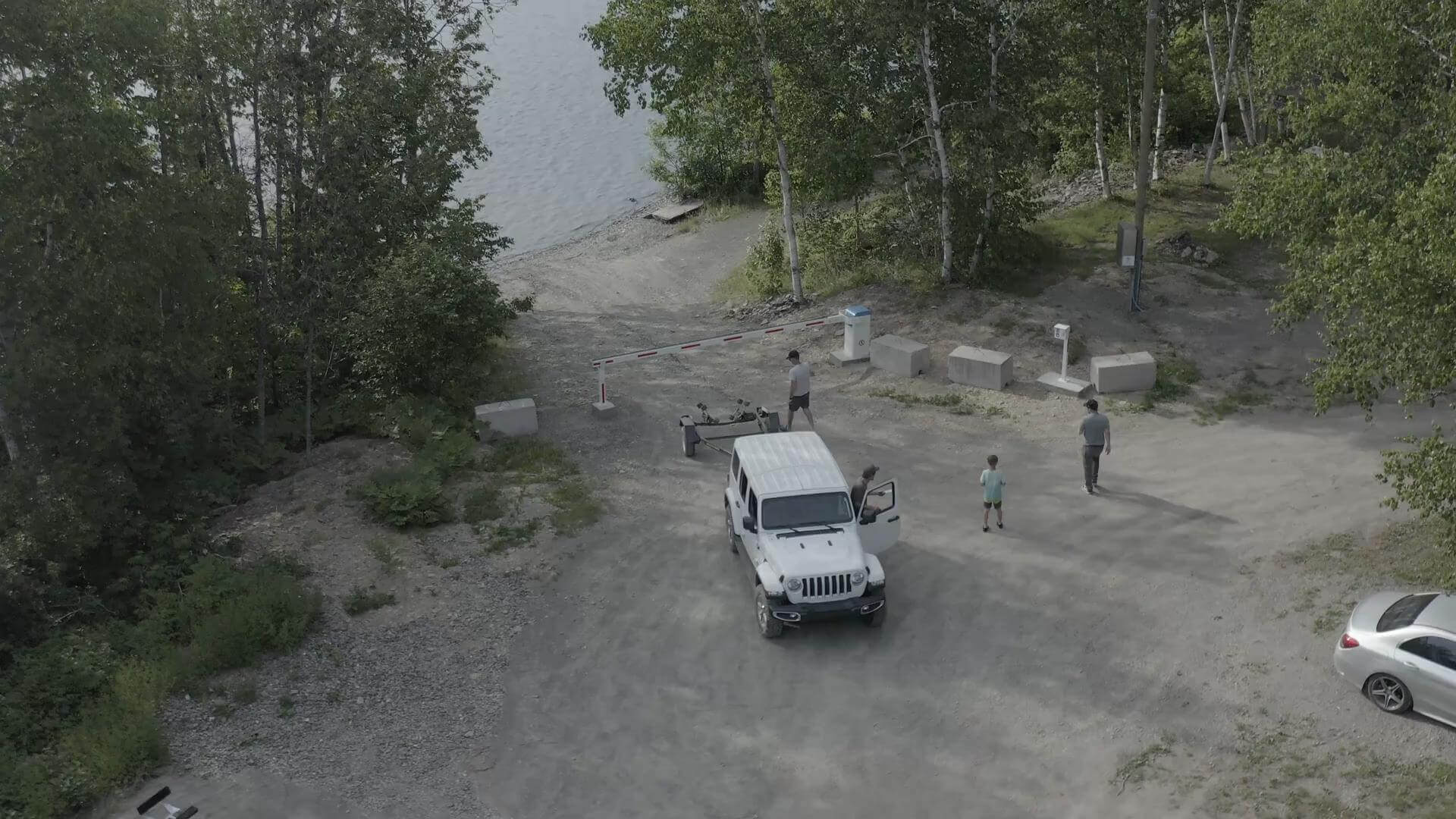
Boats move between lakes
Water, mud and debris can remain on the hull, trailer and equipment. Cleaning, draining and drying are among the recommended prevention measures.
A wash needs to connect to access
When the station and launch are separate systems, staff have to check that a wash record belongs to the watercraft seeking access.
Checks continue every day
Explaining instructions, verifying access rights and handling exceptions takes staff time, including at remote access points.
Connect washing, proof and access.
Lexoh brings these steps into one record and can run the agreed operations through its call centre.
Organization context
A municipality can keep governance without carrying the entire delivery burden
Environmental staff may own the objective, while public works validates the site, finance governs procurement, communications explains the new service and administration confirms applicable rules. Lexoh can coordinate the architect for plans, construction management or general contractor, electricians, technology integration and commissioning.
After opening, the call centre can also provide agreed assistance and operations so dedicated local positions are not required. The municipality remains responsible for its policy and decisions under its authority.
- MandateResident and visitor rates
- Apply different fees under your municipal policy.
- Field realityReusable records
- Retrieve an existing record within the configured network.
- OperationsMultiple wash bays
- One kiosk can control several wash bays.
- CoordinationTurnkey service
- Architect, project manager, general contractor, electricians and call centre can contribute under one scope.
Definition
Begin with policy, sites and responsibility.
The inventory covers launches, existing equipment, user classes, operating periods, any fees and response capacity. It also separates policy decisions from technical choices.
- Authority and applicable policy
- Sites and demand to characterize
- Municipal services involved
- Municipal-card pre-enrolment, where integrated
- Support, inspection and maintenance
Deployment
Assign complete coordination or share delivery responsibilities.
Depending on scope, Lexoh can take responsibility for architectural plans, infrastructure coordination, the general contractor, electrical work, equipment, connections, configuration and testing. Permits, included work, exclusions and each party’s responsibility are documented before construction.
After opening
Choose municipal or fully delegated operations.
The municipality can operate the system with its own team or assign user assistance, alert monitoring and authorized operating tasks to the Lexoh call centre. The contract identifies hours, service levels, on-site responders, maintenance and emergency-service escalation.
FAQ
Implementation questions
01Who should participate?
At minimum, include someone responsible for the objective, someone who knows the site and someone who can confirm policy and operations. Other departments join according to scope.
02Can a municipality begin with one site?
Yes. It is still useful to anticipate the data, identifiers and responsibilities that would make later expansion easier.
03Does the municipality need to assign a full-time employee?
Not when delegated operations are selected. The Lexoh call centre can handle agreed daily tasks. The municipality still defines delegated authority, while physical and emergency response duties are assigned in the contract.