Turnkey solution
A complete system for managing washing and waterfront access.
Lexoh can take the project from plans and infrastructure work through equipment, software and daily operations. The municipality or operator retains its policy and the decisions that remain under its authority.
Operating context
What a complete project actually covers
A wash station by itself does not manage trailer traffic, identify watercraft or open a controlled gate. We start with the intended operation: who arrives, what must be checked, where washing occurs and who responds when the normal path cannot be completed.
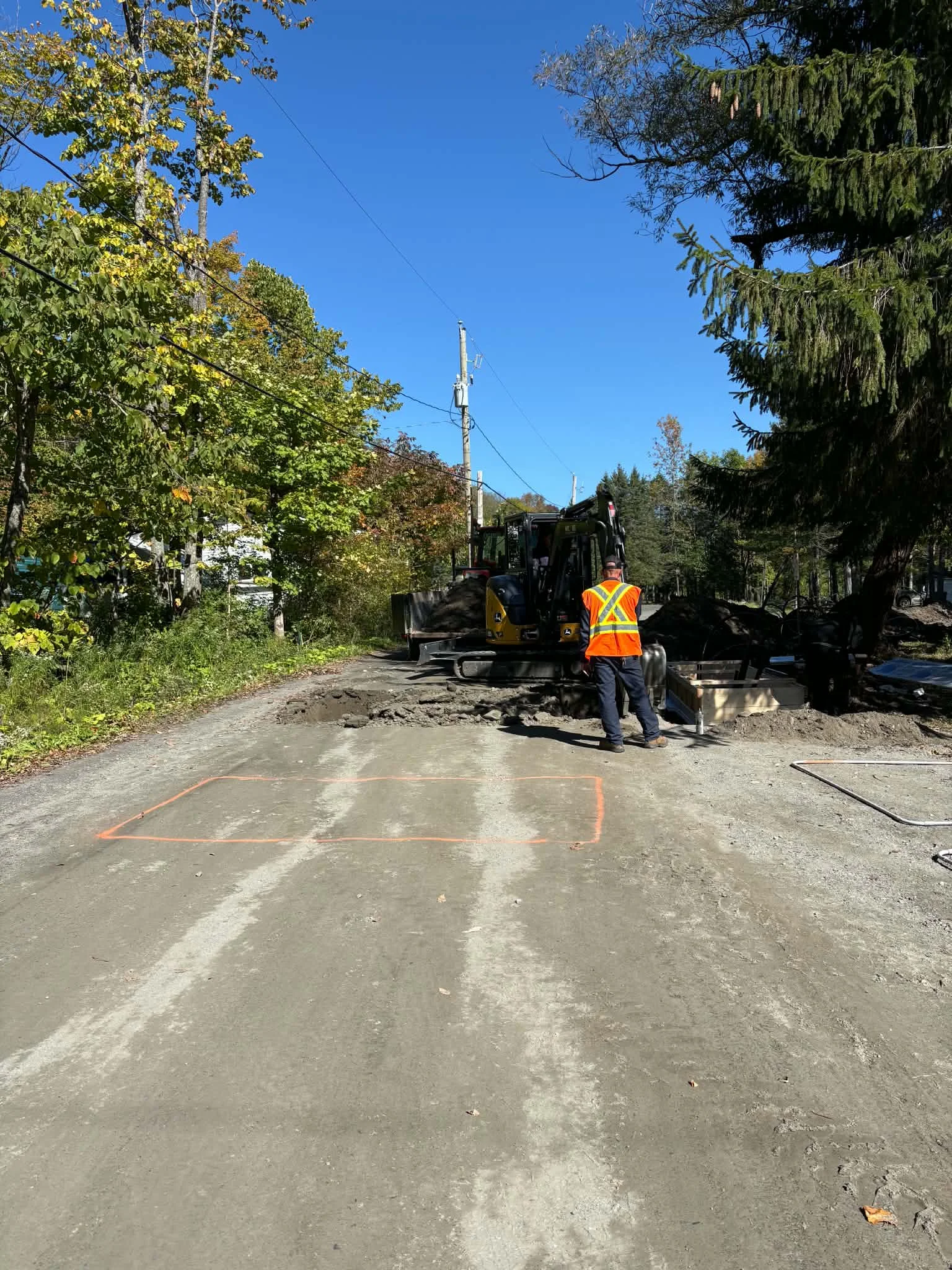
Scope can range from a focused integration to complete turnkey delivery: plans prepared with our architect, infrastructure coordinated by a project manager or general contractor, electrical work, wash station, kiosk, command box, gates, cameras, platform and commissioning. Existing devices may also be integrated after a technical review.
- 01Site-based scope
Traffic, drainage, available services and existing equipment shape the plan.
- 02Connected components
Washing, identification and access authorization can use the same record.
- 03Local authority
The organization sets policy and handles exceptions; the system supports its application.
- 04Delivery team
Architecture, infrastructure project management, general-contractor coordination and electrical work can be included in one scope.
Starting point Design and construction
The site and operating rules determine the plans and construction scope.
We review entry and exit lanes, turning space, power and network availability, water supply, drainage and accessibility. Depending on scope, the architect prepares plans, the project manager or general contractor coordinates infrastructure and electricians complete the specified work. The organization identifies user classes, possible fees and policy requirements.
- Plans, permits and traffic flow
- Concrete, drainage and civil work
- Power, connections and electrical work
- Equipment to retain or replace
Journey Boater journey
Each step answers a practical question.
The kiosk can identify the user and watercraft, present instructions and record completion of the wash. At the launch, the system checks the configured conditions before commanding the access device.
If information is missing, the boater is directed to the appropriate step or support option. A communications outage or unavailable device follows the fallback procedure chosen with the operator; Lexoh does not impose a universal policy.
Rules Operations
Operations can also be delegated to Lexoh.
Authorized users review washes, access attempts, device status and related events for their sites. When included, the Lexoh call centre can assist users, handle approved exceptions, monitor alerts and coordinate daily follow-up, so the customer does not need to create a dedicated local position.
Camera or rules-based alerts bring an event to human attention. An authorized person reviews the context before any administrative measure or infraction decision. Physical response, maintenance and emergency-service calls follow responsibilities stated in the contract.
Follow-up Commissioning
Testing covers normal use and exceptions.
After the specified construction and connections, we configure the journey, roles and devices. Testing includes normal use, an incomplete record, denied access, lost communications, an alert requiring review and authorized ways to open the site.
The operating plan states what Lexoh handles remotely, who responds on site, who maintains each component and how urgent situations are referred to the appropriate emergency service.
FAQ
Questions about the journey
01Does all existing equipment need to be replaced?
No. Existing equipment is reviewed for condition, interfaces and fit with the required journey. Some devices can remain, some may be adapted and others will not be compatible.
02Who provides plans, civil work and electrical work?
The solution can be fully turnkey. Depending on agreed scope, our architect prepares plans, a project manager or general contractor coordinates infrastructure and our electricians complete electrical work. Every item—concrete, drainage, water, network, signage and connections—is still confirmed in the contract.
03Do we need local staff to operate the site?
Not necessarily. The Lexoh call centre and operations team can provide the agreed daily assistance and operation without a dedicated local position. Physical intervention, maintenance and emergency responsibilities are explicitly assigned in the contract.
04What happens if the Internet connection fails?
Behaviour depends on the architecture and the operator’s policy. Fallback, assistance and emergency-access procedures are agreed before commissioning.
05Does Lexoh issue infractions?
No. Lexoh provides detection, review and documentation tools. Only the responsible authority can assess a case and apply its rules.