Introduction
Start with the decisions and their owners
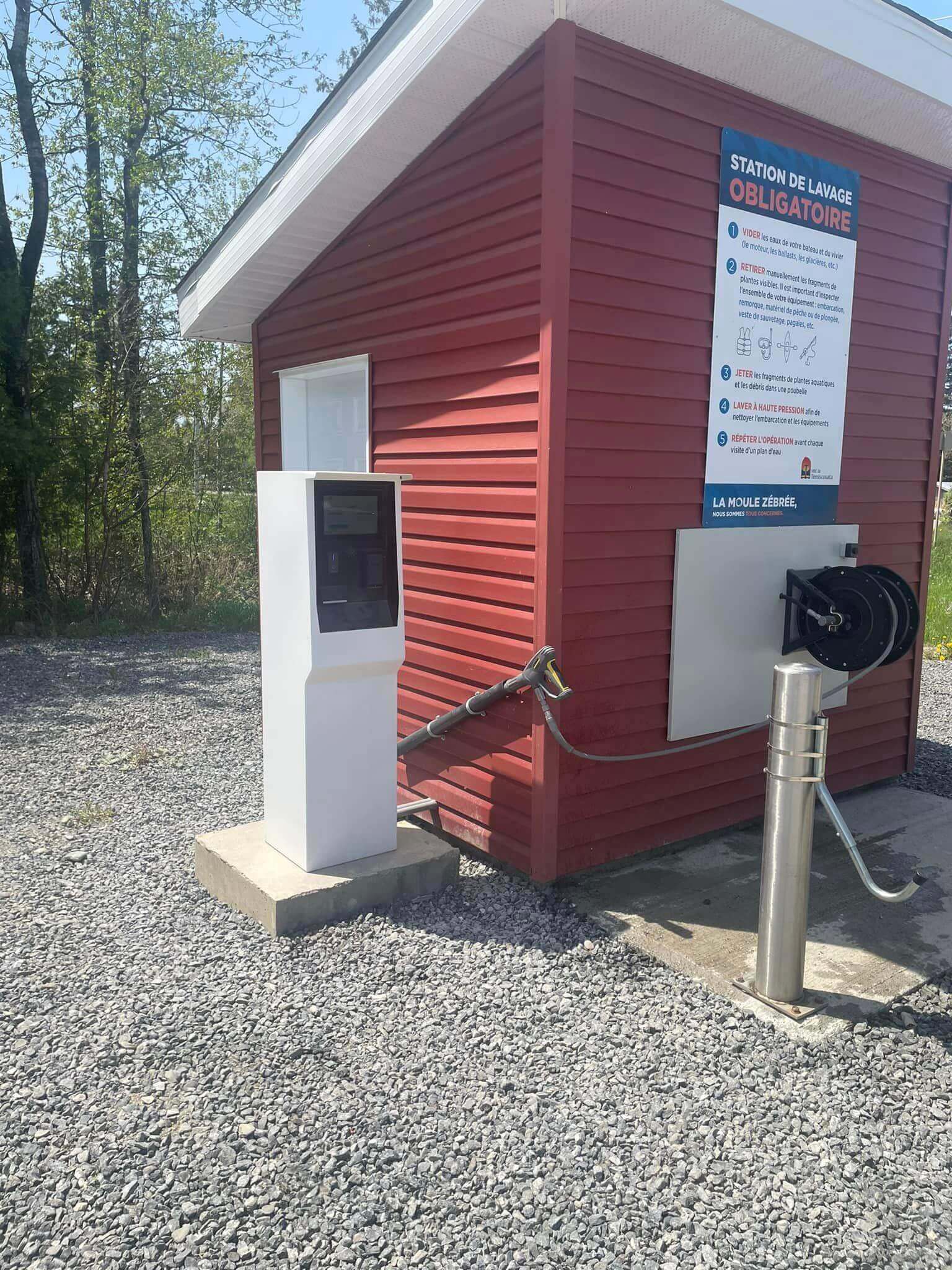
The useful starting point is the movement of a vehicle and trailer: arrival, queue, wash, validation, exit, and launch. That path reveals turning radii, conflicts, work area, and utilities that need confirmation before a configuration is selected.
Lexoh’s scope can bring together the architect for plans, overall construction coordination, electricians, equipment, software, commissioning, and, when requested, operations through the support centre. Exact responsibilities remain documented for every project.
Responsibility matrix
One deliverable, one decision owner, and one validation point.
This matrix is a starting point. Exact roles are confirmed in the project scope and under the requirements that apply to the site.
| Item to confirm | Primary owner | Before which stage |
|---|---|---|
| Policy, rates, and user classes | Owner organization or designated authority | Journey configuration |
| Traffic, site layout, drainage, and permits | Retained architect and professionals | Final plans and construction |
| Civil work, power, and connections | Project manager, general contractor, and electricians | Equipment installation |
| Kiosk, station, gate, and platform interfaces | Lexoh with the delivery team | Commissioning |
| Support, maintenance, field response, and emergency | Operator, Lexoh, and designated responders | Opening to the public |
1 — Definition
Describe a normal visit and the situations that interrupt it.
User classes, operating periods, any payment, required proof, and exceptions affect both site and interfaces. The team should also describe an incomplete record, unavailable station, network loss, and request for assistance.
- Users and watercraft to identify
- Rules and languages to present
- Service and support hours
- Denial, retry, and emergency access
2 — Plans
Turn the journey into verifiable site requirements.
Plans locate traffic, wash area, physical protection, lighting, and maintenance access. The review then confirms water, drainage, electricity, connectivity, anchoring, and seasonal conditions. Applicable permits and validations remain with the responsible authorities and qualified professionals.
3 — Work and integration
Coordinate infrastructure and interfaces as one system.
Civil and electrical work prepare the site for the equipment actually selected. The station, self-service kiosk, command box, readers, gates, and cameras are not assumed: each belongs only when its scope and interface are confirmed.
4 — Commissioning
Test normal operation, then difficult cases.
Commissioning checks commands, messages, permissions, logs, and support details. Tests also cover a denial, retry, equipment outage, communication loss, and authorized intervention. Safety and emergency procedures remain separate from commercial access logic.
5 — Operations
Assign every follow-up before opening to the public.
The Lexoh support centre can handle agreed operations, user assistance, and alert triage during contracted service windows. Physical inspections, maintenance, repairs, snow removal, and emergency response remain assigned to named resources in the operating plan.