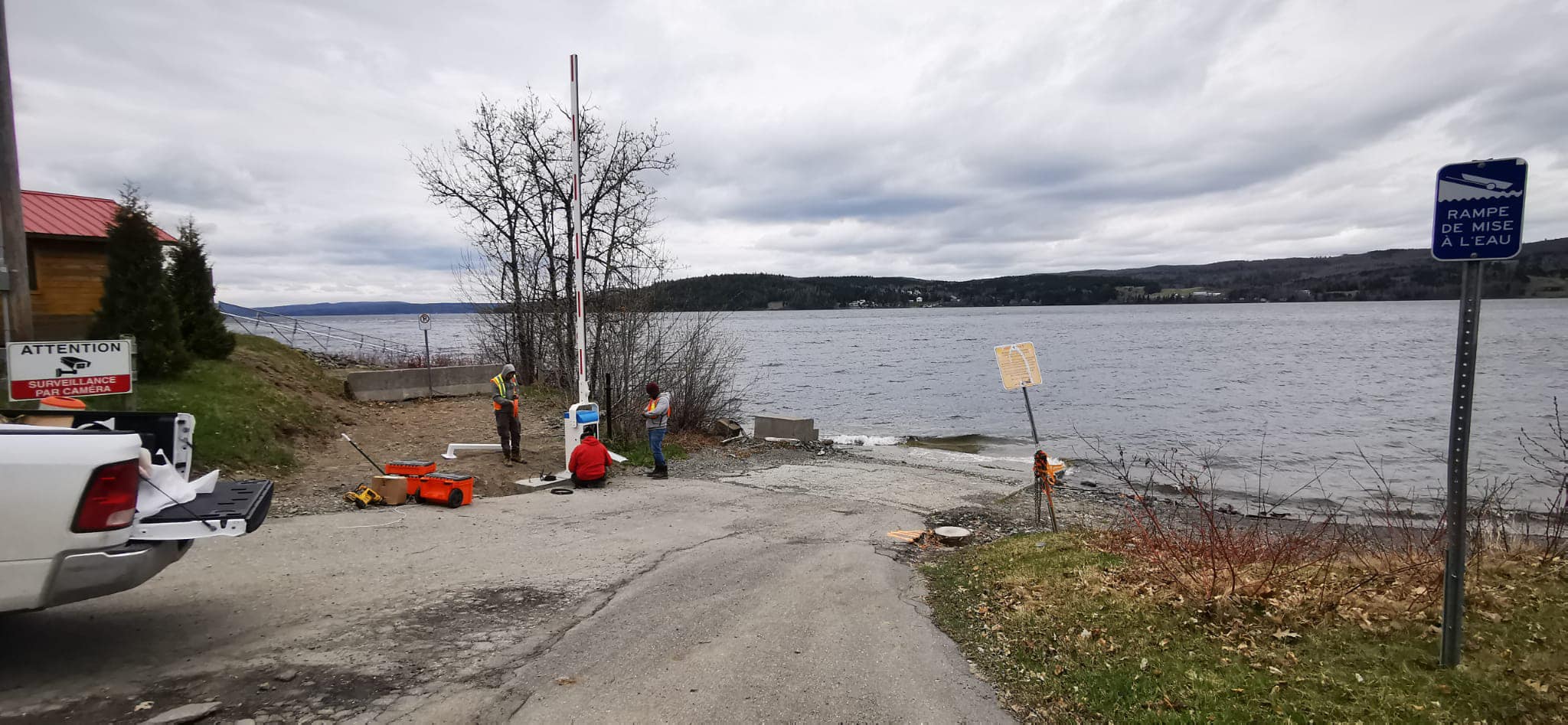
Introduction
Name every denial reason before configuring the gate
For each user class, the organization states the accepted identifier, required steps, duration, relevant sites, and person allowed to grant an exception. That policy is then translated into the platform and equipment at the access point.
Decision flow
Every reason needs an understandable next action.
The responses below illustrate logic for the organization to validate. They are not a universal policy.
| What the system finds | Proposed user action | Who may decide otherwise |
|---|---|---|
| No associated record | Direct the user to washing or registration | No automatic exception |
| Expired record | Present the approved renewal path | Authorized role under local policy |
| Watercraft or site mismatch | Hold access and request correction | Person authorized to review the record |
| Service or equipment unavailable | Apply the approved degraded-operation procedure | Designated operating owner |
| Safety or emergency situation | Use the site’s safety mechanisms and procedure | Emergency services and competent authorities |
1 — Proof
Define what the wash record actually establishes.
A record documents a completed step in the selected journey. It is not a biological analysis of the watercraft. Local policy establishes its source, duration, recognized sites, and relationship to the relevant watercraft or record.
- Source of status
- Relevant watercraft or record
- Validity period
- Sites recognizing the status
2 — Kiosk
Give the user an understandable next action.
Depending on configuration, the kiosk can support registration, payment, record review, or identifier issuance. An incomplete record should lead to correction or assistance without unnecessarily exposing user data.
3 — Access
Separate reading, decision, and physical command.
The reader receives an identifier; the platform checks available rights and status; the local command box then operates the gate when approved conditions are met. This separation supports diagnosis and avoids assigning the entire system’s logic to one component.
4 — Exceptions
Plan denial, outage, and emergency cases before opening.
Missing status can direct the user to the station, an expired right to renewal, and a technical problem to support. During network or equipment failure, the organization selects a procedure suited to site risk. Manufacturer safety and emergency mechanisms remain authoritative.
5 — Review
Preserve context when an authorized person intervenes.
Permissions determine who may correct a record, grant an exception, or review an event. Logs, an image, or an alert can support the decision but do not replace responsible authority or human assessment.